

Business decisions taken by models shouldn't be discriminatory in any way.
Requires defined explainability thresholds and enhanced controls, so explainability gaps don't disrupt your business.
Requires human-in-the-loop arrangements, override and kill-switch mechanisms, and periodic human review of model-driven decisions.
Pricing spreadsheets, underwriting grids, and VBA macros are all in scope.

Pricing spreadsheets, underwriting grids, and VBA macros are all in scope.
Institutions counting 20 models often find 150 to 300 once they apply Para 7(3).
Removing records at retirement leaves a gap you cannot recover at examination.
Every retired model needs full records maintained for the entire retention period.
Ten years runs from decommissioning or from when the model stops serving as a reference, whichever is later.
Every Regulated Entity (RE) that acquires or relies on a third-party model remains fully accountable for its outcomes. The vendor’s validation certificate carries no weight under this guidance.
Your institution must independently validate all third-party models
Contracts must give you access to model methodology, data lineage, and validation records.
An unannounced vendor update that changes model outputs restarts your validation and Board/RMCB notification obligations.
These are 3 of 64 clauses. Every chapter of the guidance carries obligations your institution needs to map against its current model stack.





For risk, audit, and compliance teams
For analytics, ML, and engineering teams
Para 54 requires institutions to identify and address bias and discriminatory outputs on an ongoing basis.
Para 56 sets enhanced controls and more frequent monitoring for models with dynamic or automatic updates.
A model that was clean at deployment may be biased today.
Your compliance obligation does not end at go-live.
© 2026-27 iTuring.ai — All rights reserved
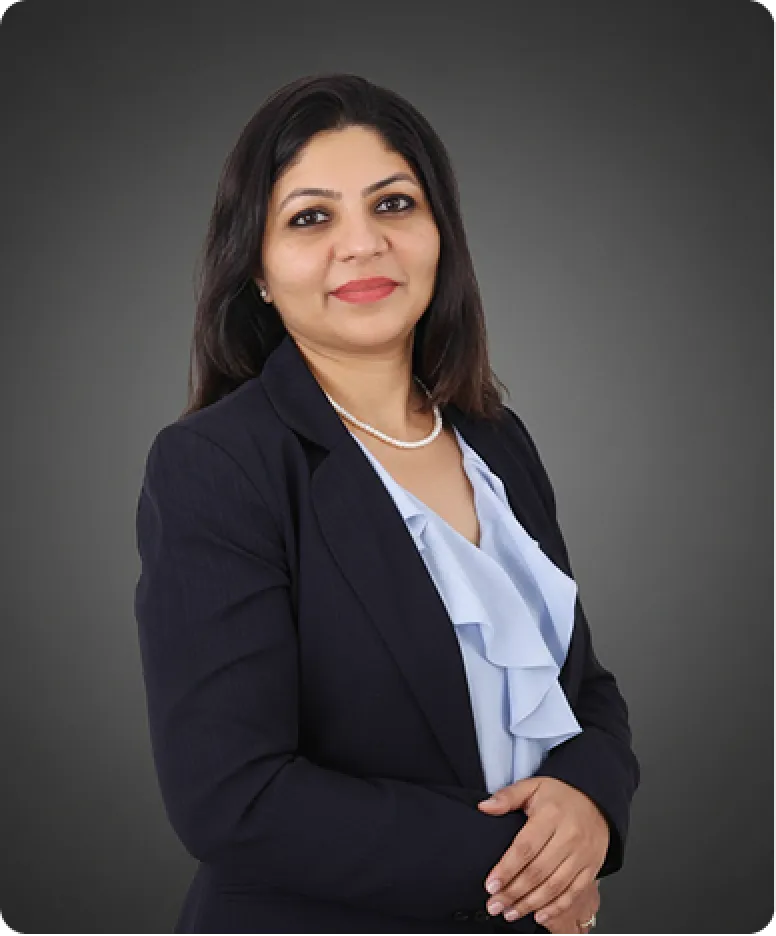
Senior Director – Sales and Marketing Operations
Tarika is a market development leader driving global growth through strategic partnerships and go-to-market initiatives.
She focuses on expanding enterprise adoption of AI solutions across international markets, working closely with partners and clients to enable data-driven transformation.
Her work centres on scaling enterprise AI through partner-led growth and direct customer engagement, supporting organisations in implementing impactful, data-driven solutions worldwide.
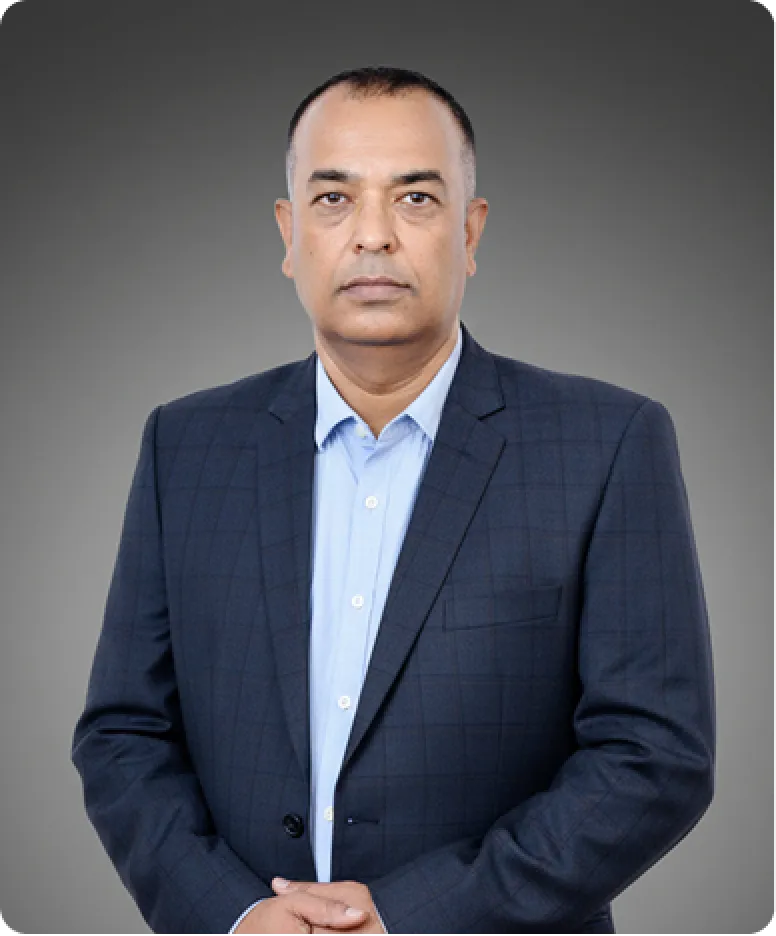
Vice President, Head – Data Science
Rajnish brings over two decades of experience leading data-driven transformation across Fortune 500 organisations.
His career spans senior roles at HSBC, Zafin, Cisco, TCS, Nielsen, iQuanti, Symphony, Supervalu, and Harman, delivering measurable cost savings, operational efficiencies, and revenue growth.
With experience across banking, retail, telecom, pharma, CPG, and digital marketing, he leads cross-functional teams at iTuring.ai to deliver advanced analytics, machine learning, and AI solutions.
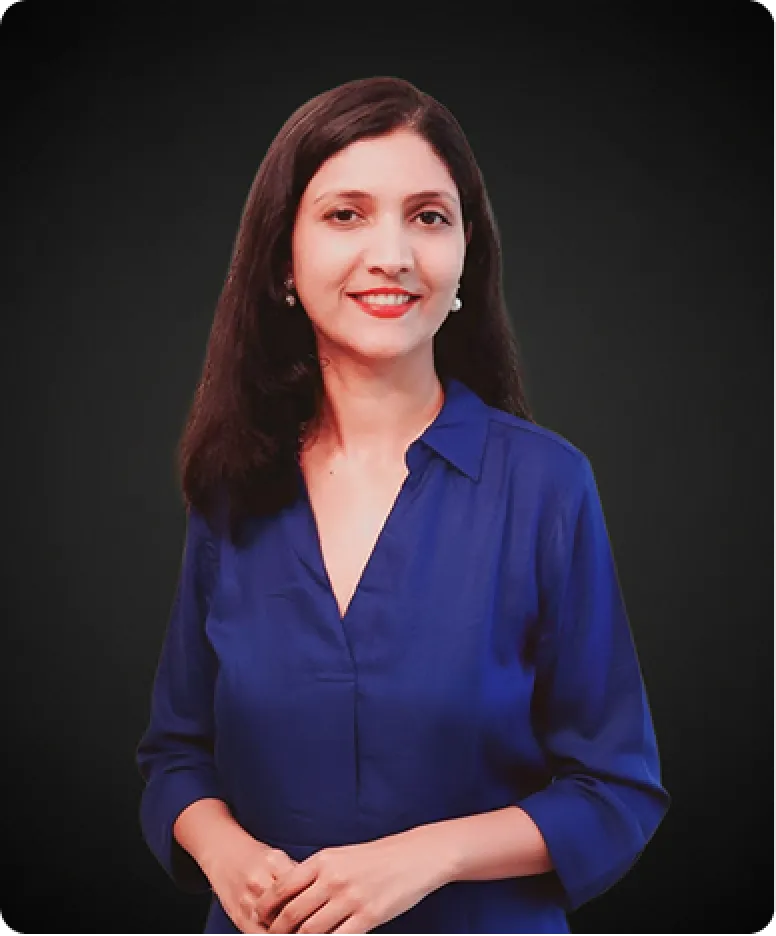
VP Operations & Content Head
Aishwarya has been instrumental in building iTuring.ai from inception and continues to manage core operations across the organisation. Her responsibilities span project operations, financial planning, and evaluating future expansion opportunities.
Prior to iTuring.ai, she worked with Market Probe and WNS Research & Analytics, delivering high-impact decision support and actionable analytics for IBM with a record of zero errors.
Aishwarya holds a postgraduate degree in Data Science and Machine Learning from Manipal University.
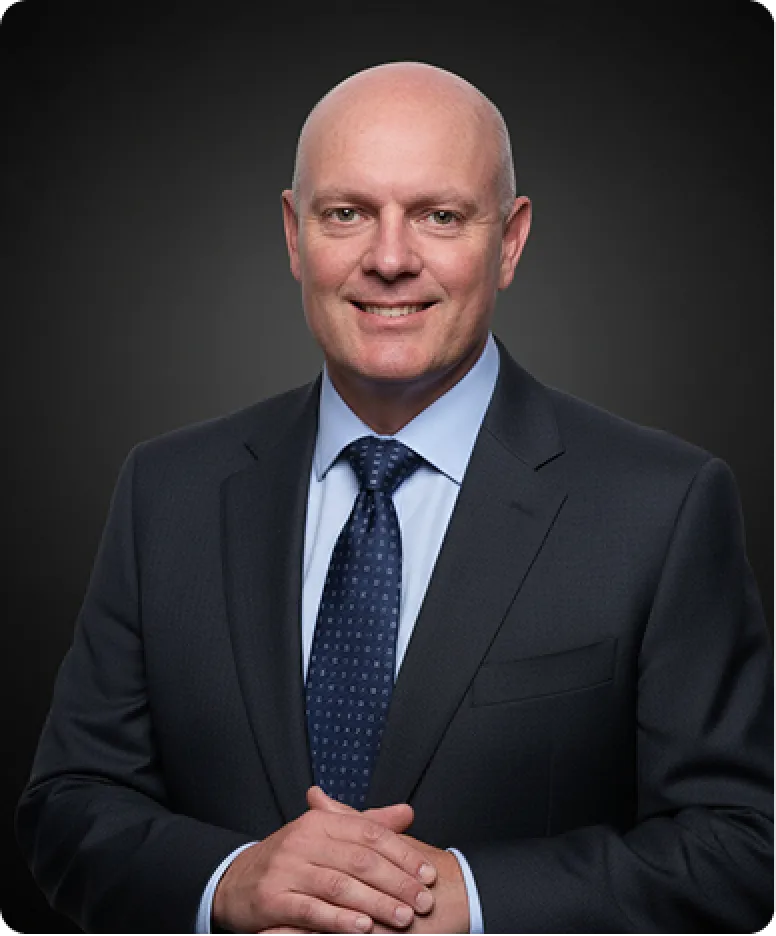
Managing Director – Africa
Bryan has 30 years of experience driving innovation and growth across technology, banking, insurance, and retail.
Prior to iTuring.ai, he held executive leadership roles at Instant Life, AIG, Nedbank, FNB, and TransUnion. He focuses on enabling enterprises to adopt AI and machine learning within trusted, governed, and risk-managed frameworks.
Bryan holds a Master’s degree in Commerce from the University of Johannesburg.
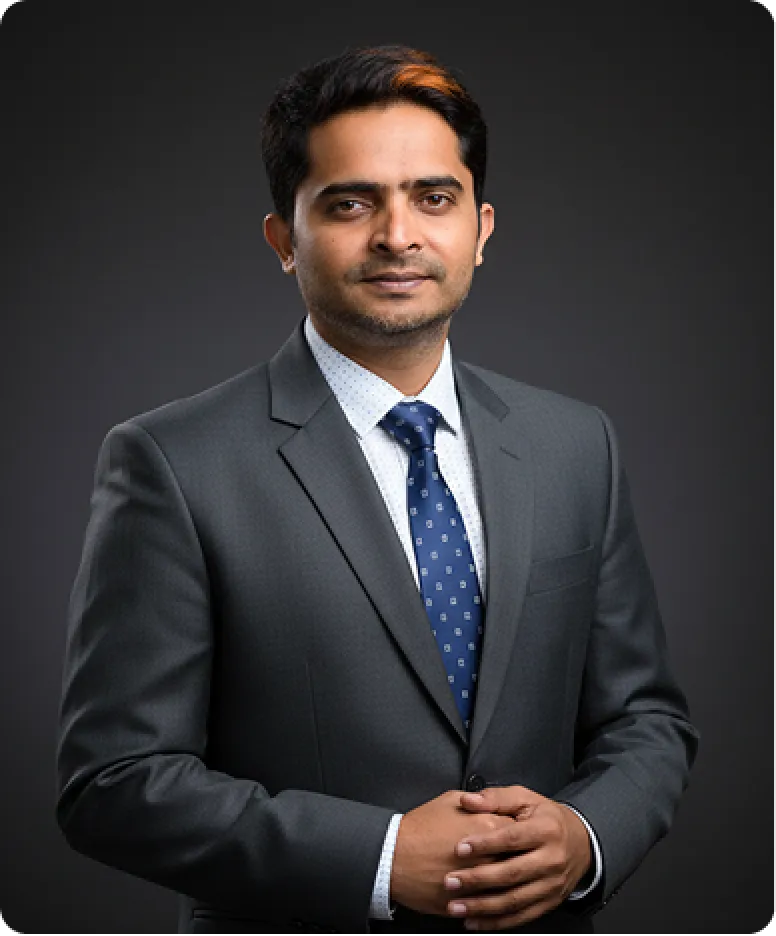
Co-Founder, VP Product Development
Nawas brings 20 years of experience in designing and delivering cloud-native software and data systems. He has held senior technology roles at HCL, Radisys, Kyocera, and Mindtree, leading large development teams and complex product builds.
At iTuring.ai, he oversees product roadmap and customer delivery, applying cloud-first thinking, deep systems expertise, and a focus on building robust, scalable AI solutions that challenge industry norms.
He is a graduate of Rajiv Gandhi Institute of Technology.
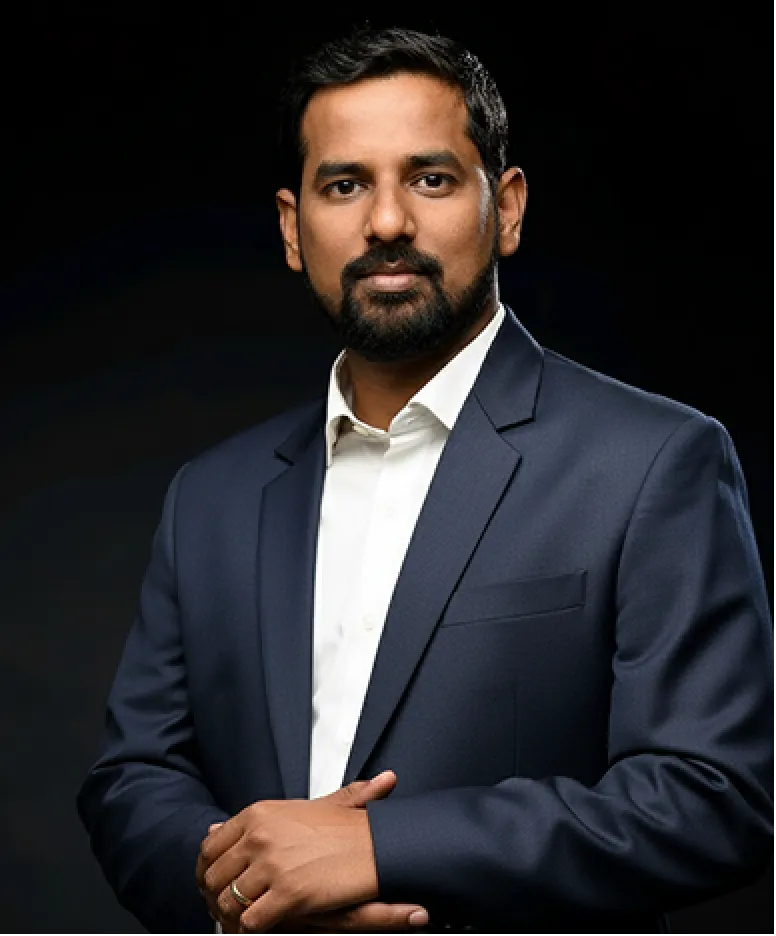
Amit is a technology architect with over 18 years of experience designing data-intensive systems and enterprise analytics platforms. He has built highly scalable products across open architecture models and virtualised infrastructure, aligning deep technical detail with business requirements for AI and ML solutions.
Prior to iTuring.ai, he held senior technical roles at Radisys and Aricent. Amit leads platform architecture with a focus on governance, lineage, and traceability.
He holds a First Class with Distinction BTech in Computer Science from Cochin University.
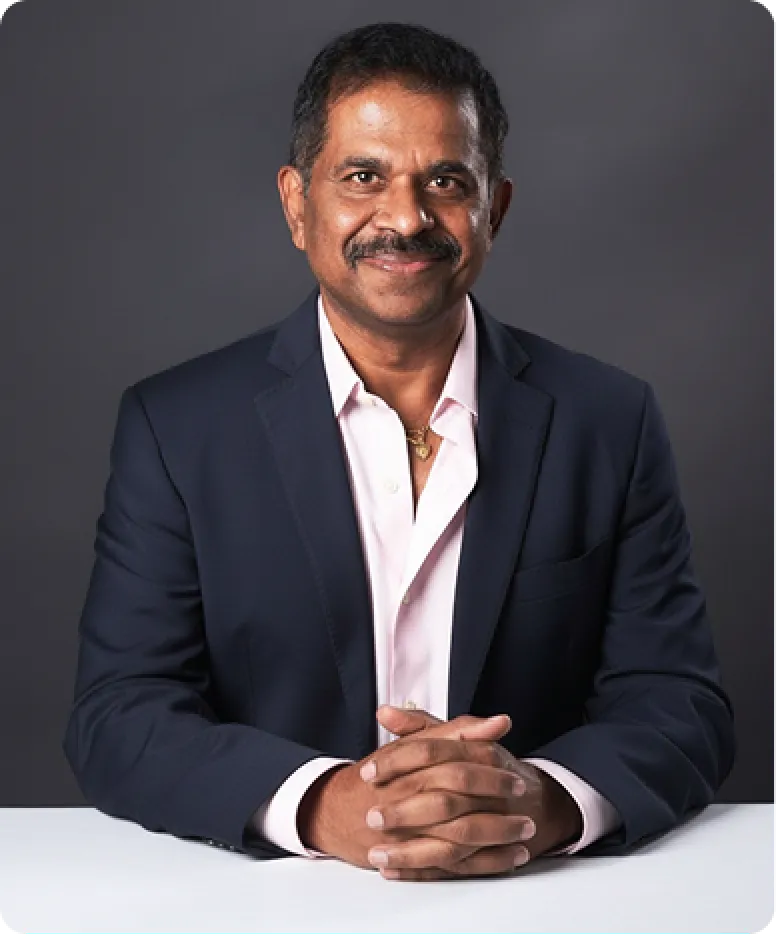
President, COO and Co-founder
Valsan brings over two decades of global leadership across sales, professional services, and product operations in technology and SaaS enterprises.
Prior to iTuring.ai, he held senior executive roles at Fiserv, Cisco, and Sun Microsystems, most recently serving as Senior Vice President at Fiserv overseeing global system integration and international professional services. Based in California, he leads iTuring.ai’s growth in the Americas.
Valsan holds an MBA from the University of Nebraska and a BE in Computer Science from Bangalore University.
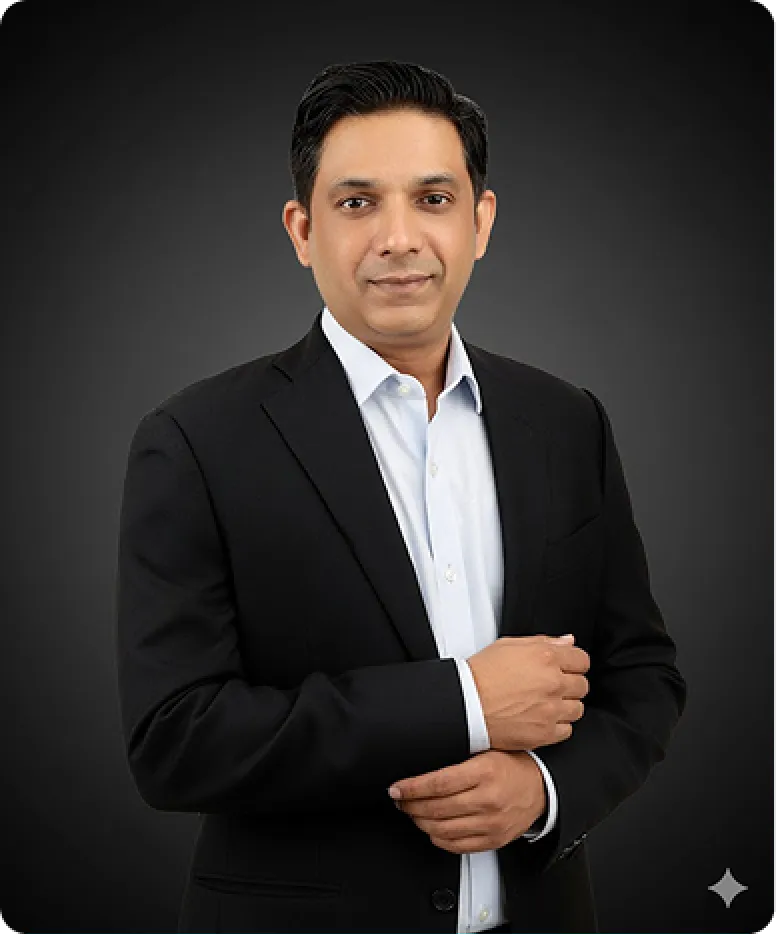
Founder & CEO
Before founding iTuring.ai in 2018, Suman led analytics at Zafin and Fiserv as CAO and General Manager Analytics, delivering enterprise-scale solutions still running in production.
His work includes fraud detection systems saving clients over $19M, patented Customer Relationship Score methodology, and price optimisation recognised by the INFORMS Edelman Award (2014). He has authored multiple research papers and pioneered the data-to-value approach.
Suman holds a Master’s in Statistics from CCS HAU and a Bachelor’s in Agricultural Engineering from BHU.
