


AI Voice Agent FDCPA Compliance: Call Scripting, Disclosures, and Opt-Out Handling for US Banks

AI Voice Agent FDCPA Compliance: Call Scripting, Disclosures, and Opt-Out Handling for US Banks Meta Title: AI Voice Agent FDCPA Compliance for US Bank Collections Meta Description: AI voice agent FDCPA compliance for your US bank collections program requires architectural controls, not script reviews. What your team must know. TL;DR A collections AI voice agent […]
SHAP Adverse Action Notices for US Bank Collections AI: ECOA-Compliant Account-Level Explanations

TL;DR A bank’s compliance officer receives a fair lending complaint. The borrower declined a settlement arrangement that comparable accounts received. The question on file: what was the reason? The collections AI model has no per-account explanation available. This is the operational gap where SHAP adverse action notices, collections AI, and ECOA compliance converge for US […]
Pre-Delinquency Early Warning for Indian NBFCs: 120-Day AI Prediction and Deployment Guide

TL;DR Monday at an NBFC’s collections centre. The 30-60 DPD report loads: 3,800 accounts. A second report – the AI early warning feed – shows 2,100 of those accounts flagged their stress signals 100 days earlier. Before a single payment was missed. This gap between pre-delinquency prediction and reactive collections activation is where Indian NBFCs […]
SHAP Explainability for RBI Examinations: Account-Level Reasoning in NBFC Collections AI

TL;DR An RBI examiner asks for the reasoning behind account 847291’s propensity score during a model validation review. The NBFC’s collections head pulls up the dashboard. It shows a 0.73 score. There is no per-account explanation available, only a portfolio-level feature importance chart. This gap in SHAP explainability for RBI collections model examinations carries a […]
Multilingual AI Collections Lift in South Africa: Zulu, Xhosa, and Afrikaans vs English-Only

TL;DR South Africa’s debt collection software market is growing at a pace that reflects institutional urgency around operational efficiency and regulatory compliance. Yet one of the most measurable performance variables in collections – the language of first contact – remains largely ignored in automated outreach strategies. Most credit providers still default to English-only communications across […]
South Africa Collections Default Rate Trends 2025-2026: What Credit Providers Must Know

TL;DR South African credit providers entered 2026 facing a default environment that has not been this severe since the early pandemic quarters. The combination of persistent consumer over-indebtedness, elevated interest rates, and rising non-performing loan ratios has placed extraordinary pressure on collections operations. For Heads of Collections and their CFOs, the question is no longer […]
SR 11-7 Compliance Cost for US Banks: Building Governance vs Retrofitting After OCC Examination

TL;DR Every US bank deploying AI in collections has two cost structures running in parallel. The first is visible: vendor fees, integration expenses, staffing for model operations. The second is largely invisible until an OCC examiner requests your model inventory. That second cost structure, the recurring expense of preparing SR 11-7 documentation for collections AI […]
Right-Party Contact Rate for US Bank Collections: From 26% to 47%+ with AI Propensity Timing
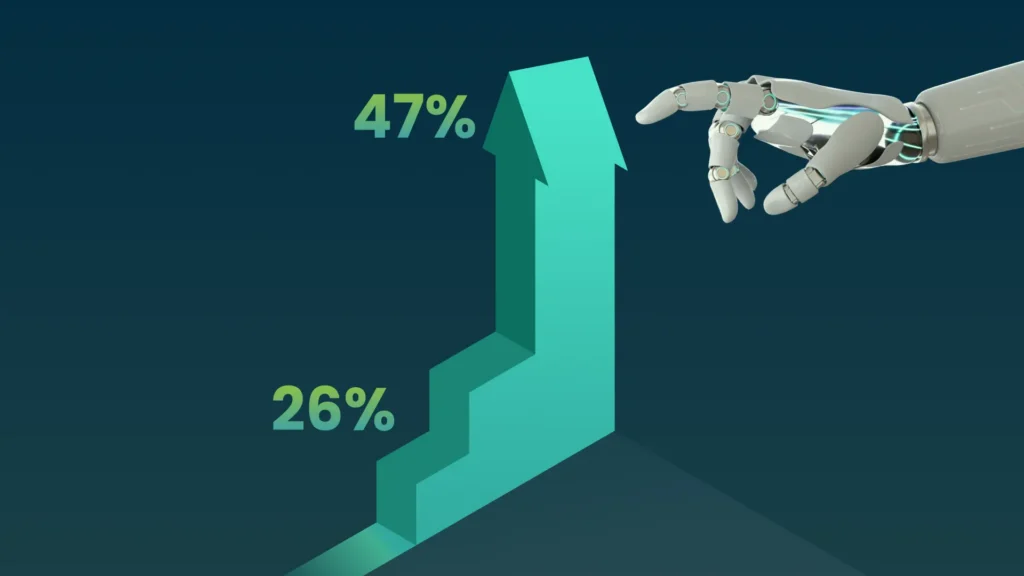
TL;DR What 26% Right-Party Contact Rate Costs a US Bank in Wasted Regulation F Frequency Budget Per Week A 26% right-party contact rate means that for every 100 outbound collection attempts, a bank reaches the actual account holder only 26 times. The remaining 74 attempts hit voicemail, wrong numbers, disconnected lines, or household members who […]
Collections Cost Per Recovery Benchmarks for US Banks: Pre and Post AI Deployment Data
TL;DR The gap between what US banks spend per recovered dollar and what that figure could be with governed AI in production is no longer theoretical. It is measurable, documented, and widening. Institutions still running manual dialler operations face a cost-per-recovery figure that has remained stubbornly anchored between $85 and $140 for more than a […]
MLOps for Indian Bank and NBFC Collections Models: Retraining Governance and RBI MRM Compliance

TL;DR A ₹7,200 crore NBFC deployed its AI collections model 14 months ago. The Gini has drifted from 0.74 to 0.61. No drift monitoring system was running. No retraining was triggered. No RBI MRM documentation was updated. The next examination is in 6 weeks. This scenario captures the core operational risk facing MLOps for Indian […]


