Model Risk Tiering: Why Not Every AI Model Needs the Same Scrutiny

TL;DR A model risk officer at an NBFC gets asked by an examiner which of the institution’s forty deployed models get the deepest scrutiny. There is no RBI-published answer yet, only three named inputs and a deadline that keeps moving. The Three Factors RBI’s Draft Actually Names RBI’s June 24, 2026 draft guidance (“Guidance on […]
What RBI’s Model Risk Management Guidance Actually Means for NBFC AI Teams

TL;DR An NBFC’s model inventory usually lives in three places at once: a spreadsheet the risk team maintains, a vendor scorecard from whichever bureau or fintech partner supplied a scoring model, and someone’s memory of what is actually running in production this quarter. Ask that team to produce a validation trail for one specific model, […]
The 08:00 to 19:00 Rule: Building Calling-Hours Compliance Into Recovery Workflows

TL;DR Most Compliance Teams Read the Calling-Hours Rule Backward Ask a collections operations lead what the 8am to 7pm rule means, and most will describe it as a permitted calling window: agents can dial between those hours, full stop. That reading misses where the rule actually sits. Paragraph 100 of the RBI (NBFC – Responsible […]
Device-Locking Compliance Software for NBFCs: What RBI’s January 2027 Deadline Actually Requires

TL;DR The Question Most Compliance Teams Are Answering Wrong Ask a collections or compliance lead at a mid-sized NBFC whether RBI’s new device-locking rules apply to them, and the answer usually comes fast: “We don’t do aggressive collections. This is for the app-based lenders with the bad press.” That’s the wrong question. RBI’s rule, effective […]
Microfinance Collections Run on a Different Rulebook. Does Your Compliance Software Know That?

TL;DR If you’ve read the earlier posts in this series, your recovery-agent compliance stack probably already handles the basics: contact-hour windows, call recording, mandatory disclosure scripts, agent conduct logging. For a general NBFC book, that’s a reasonably solid foundation. But if any part of that book is microfinance lending, here’s the question worth asking your […]
The 7-Day Rule: Why Your Recovery Agency List Can’t Sit Static on Your Website
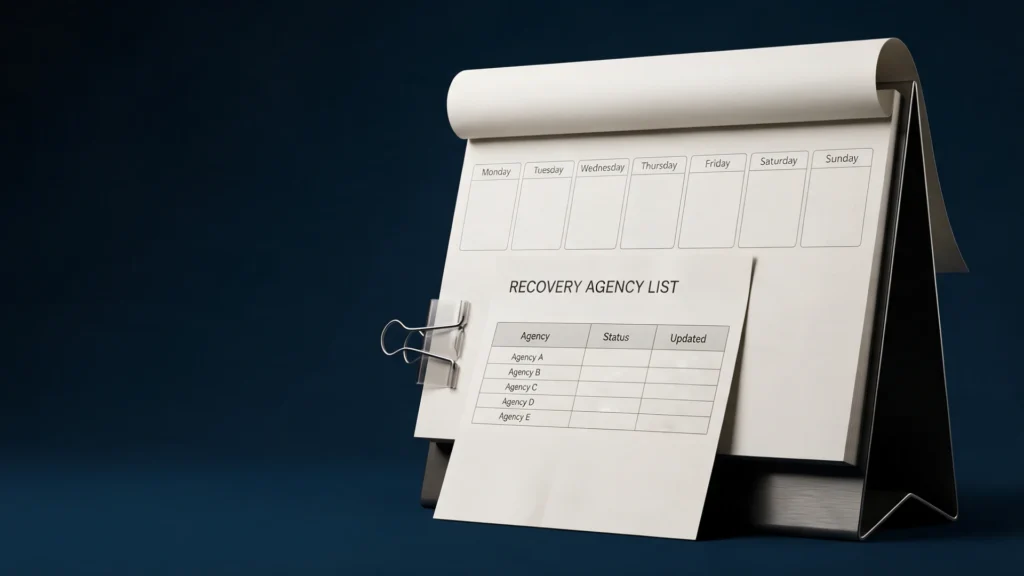
TL;DR Your Recovery Agency Disclosure Obligation Started in 2025, Not 2027 If your compliance calendar has flagged January 2027 as the date this obligation begins, that’s incomplete. The obligation to publish a recovery agency list already exists. The RBI (NBFC – Responsible Business Conduct) Directions, 2025, at what secondary sources cite as para 97, already […]
Build vs Buy vs Partner: 2026 Decision Framework for AI Collections at Indian Banks

Every Vendor Deck Leads With Cost and Speed. The Question That Actually Matters Is Who Answers to RBI When the Model Fails. TL;DR Every vendor pitch for AI collections leads with the same two numbers: how much faster it is than building in-house, and how much cheaper it is over three years. Those numbers matter, […]
Hardship Workflow Automation: How AI Routes Distressed Borrowers to the Right Programme

Two Borrowers in Identical Distress Shouldn’t Get Different Outcomes Because They Reached Different Agents TL;DR A borrower calls in genuinely struggling. Depending on which agent picks up, on their training, their caseload that day, their read of an ambiguous situation, that borrower gets routed to a forbearance conversation, a payment plan pitch, or nothing more […]
Your Vendor Validated The Model. RBI Says That Doesn’t Count

TL;DR Para 45 of RBI’s draft guidance on Model Risk Management contains one sentence that most vendor relationships in Indian banking are not built around. “An RE acquiring, using or relying upon third-party models at any stage of the model lifecycle is accountable for its outcomes.” That sentence is complete as written. The accountability does […]
Your Institution Probably Has 10x More Models Than You Think. Here Is How RBI Counts Them

TL;DR Think of the last three quantitative decisions your institution made. A lending rate was set. A collection account was routed to an agent. A loan application was declined. For each one, ask: did a tool take an input, apply some logic to it, and produce an output that drove that decision? If the answer […]