Model Risk: The Four Places It Enters a Lending Book

TL;DR A lending model is a simplified picture of a borrower. It takes a handful of measurable things and turns them into a number that stands in for a decision no one has time to make by hand. That works right up until the picture stops matching the borrower. Model risk is the cost of […]
What Is Model Drift?

TL;DR A model doesn’t need a bug to stop working. It just needs the world to change underneath it. Model Drift Is a Performance Problem, Not a Code Problem Model drift is the general decline in a machine learning model’s predictive performance that happens over time, as the data it scores or the relationships in […]
What RBI’s Draft Guidance Actually Expects Your Model Risk Framework to Cover

TL;DR Most write-ups on model risk management frameworks describe governance, validation, and monitoring in general terms, the way any consulting deck might. RBI’s draft guidance on regulatory principles for model risk management, released June 24, 2026, is more specific than that. It sets out an actual chapter structure: governance, model risk management as a distinct […]
The Four Terms Everyone Confuses With Model Risk Management

TL;DR Someone on a risk or technology team asks what model risk management actually covers, and the answers they get back use “governance,” “validation,” and “monitoring” as if they all mean the same thing. They don’t. Each is a real, specific piece of the job. Model risk management is the discipline that holds all of […]
Why Automated Model Risk Management Still Needs Someone to Sign Off

TL;DR A model risk team hears “automated model risk management” and pictures something close to unattended: drift gets caught, evidence gets filed, and nobody has to sit through a status meeting to find out a model is degrading. Half of that picture is accurate. The other half is where teams get into trouble. Automated model […]
Most Model Risk Management Software Doesn’t Do What the Name Promises

TL;DR Search “model risk management software” and most of what comes back is a dashboard with a drift chart and the word “AI-powered” somewhere in the hero copy, a monitoring widget wearing a bigger label than it’s earned. Model risk management software has a specific job: monitor every model in production, including the ones the […]
Model Risk Tiering: Why Not Every AI Model Needs the Same Scrutiny

TL;DR A model risk officer at an NBFC gets asked by an examiner which of the institution’s forty deployed models get the deepest scrutiny. There is no RBI-published answer yet, only three named inputs and a deadline that keeps moving. The Three Factors RBI’s Draft Actually Names RBI’s June 24, 2026 draft guidance (“Guidance on […]
The OEM Certification Requirement Nobody’s Talking About in RBI’s Device-Locking Rules

TL;DR The Rule Text Says OEM Certification Is Required. It Doesn’t Say by Whom. Per secondary reporting on RBI’s device-locking guidelines, including coverage by Inc42, regulated entities (REs) and third-party device-locking vendors are required to obtain certification from the device or operating system platform’s OEM before deploying device-locking technology in gadget financing. That is the […]
Recovery Agency Due Diligence: What RBI Now Ties to Your Outsourcing Risk Policy
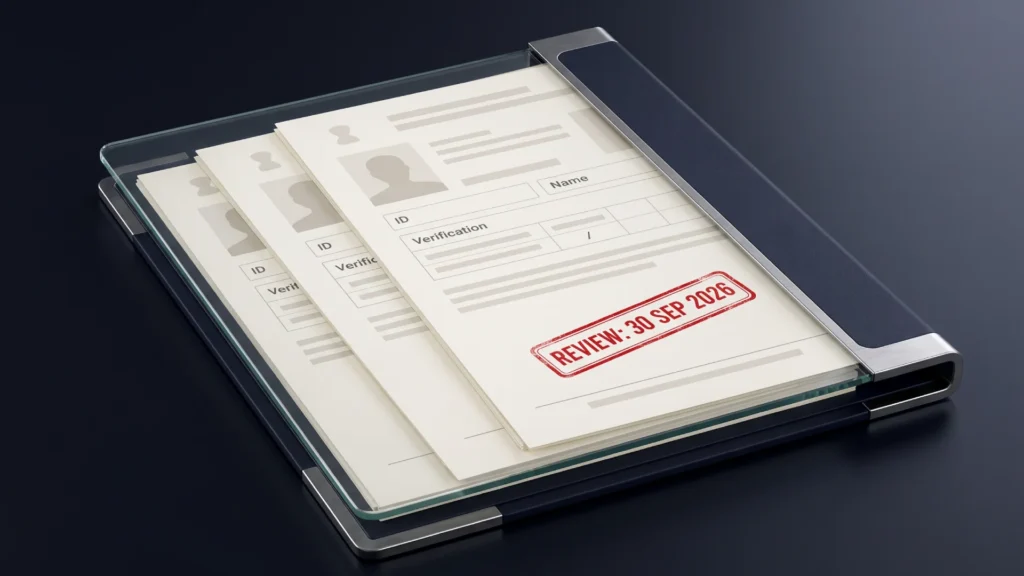
TL;DR An Auditor Just Flagged Your Recovery Agent Vetting as Undocumented Nobody is telling you the vetting was bad. That’s the part worth sitting with. In a growing number of NBFC examinations, the finding isn’t that a recovery agent was under-vetted, that background checks were skipped, or that a red flag went unnoticed. The finding […]
RBI Fair Practices Code Collections Software Baseline: What NBFC Collections Teams Still Owe Borrowers Under the 2025 Responsible Business Conduct Directions

TL;DR Most collections compliance guides are citing an instrument that no longer stands alone Anyone evaluating RBI Fair Practices Code collections software right now is really asking two questions at once: what does the Fair Practices Code actually require, and does the tool in front of me meet it. The honest answer starts with a […]